Why did Nordea decide to join the GreenDice service? What was the main "concern" you wanted to address?
Nordea joined the GreenDice service to make processes related to technology devices more environmentally friendly and to support the sustainable handling of equipment. In addition to reducing the environmental footprint, the collaboration with GreenDice gives Nordea the opportunity to contribute to supporting those in need and the community (students, retirees, schools, etc.) through the reuse of equipment, creating opportunities to realize dreams and goals.
How does directing IT equipment towards reuse fit into Nordea's broader sustainability strategy?
Nordea has set a specific goal: to achieve net-zero emissions by 2050. Implementing this strategy requires continuous focus and developments in several areas. Reducing Nordea's environmental footprint by directing used technology towards reuse is undoubtedly a very important step in that direction.
What were your expectations for the collaboration before starting, and have they been met by now?
Before starting the collaboration, the main expectation was to contribute to a more sustainable future, primarily by supporting more environmentally friendly choices in everyday decisions. Today, it can be said that these expectations have largely been met.
Large organizations often have strict security requirements. How has GreenDice managed to comply with Nordea's data security and equipment handling requirements?
Nordea adheres to high security requirements, as protecting customer data is extremely important to us. The IT departments of GreenDice and Nordea have worked closely together and organized hardware resets from existing software. GreenDice has been able to meet all of Nordea's requirements to ensure the security of hardware reuse.
How much has the GreenDice model made your daily IT asset management easier or more systematic?
Collaboration with GreenDice has significantly simplified the management process. We have a dedicated contact person, with whom communication is quick and clear. After the equipment is taken away, all device information is visible in the self-service portal, including data related to the reduction of each device's environmental footprint.
How important is it for Nordea to know where and to whom your old devices go?
For Nordea, it is important that the outgoing technology finds a responsible path back into circulation and that its lifespan is as long as possible, not limited to sale or disposal. When further use of the devices is no longer possible, it is important for us to know that they have been responsibly disposed of or recycled, and their materials are directed back into circulation.
What has been the most surprising or positive aspect of this collaboration for you?
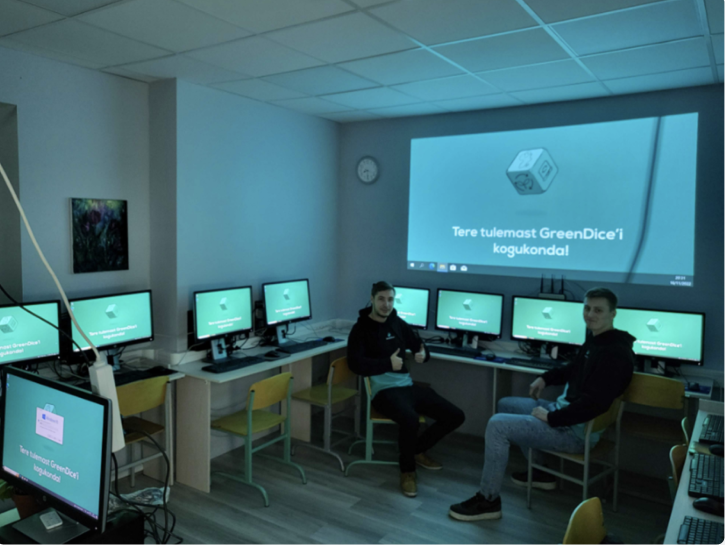
GreenDice responds to our inquiries very quickly and adheres to the agreed timelines. Solutions are often planned a step ahead to make our daily work as easy and smooth as possible. Additionally, GreenDice supports several schools and kindergartens, which makes us feel that through the established collaboration, Nordea can genuinely contribute and help communities and those in need.
What would you say to other large companies that are still considering changing their IT equipment lifecycle to a circular model?
Nordea encourages starting collaboration with GreenDice, as it creates diverse value. The company itself benefits from extending the lifecycle of IT equipment and making processes more transparent. The collaboration also supports equipping schools with quality technology and contributes to promoting responsible and sustainable IT usage.